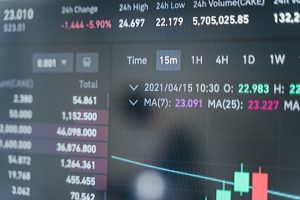
Sensex Nifty Market Trends: Why Are They Down Today?
Sensex Nifty market trends show a decline amid rising tensions in the Middle East. Find out more about the impact on investments.
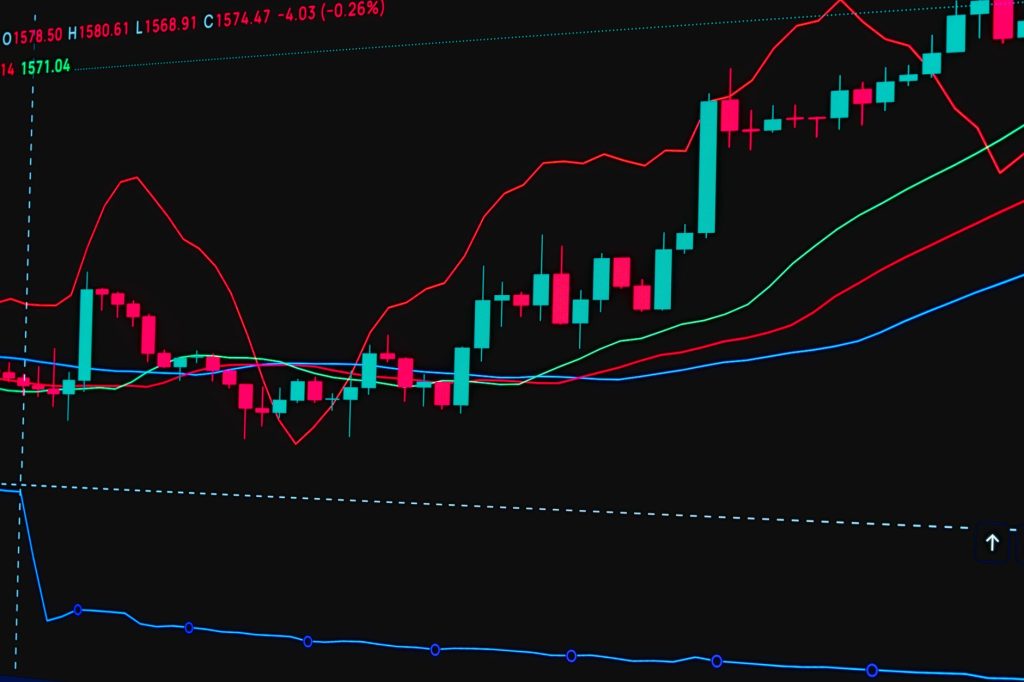
Sensex Nifty market trends reveal a downward trend today as tensions in the Middle East escalate. Investors are concerned about potential impacts on the economy.
Understanding the Current Market Situation
The recent fluctuations in the stock market have raised concerns among investors, particularly regarding the Sensex Nifty market trends. Today, both the Sensex and Nifty indices ended lower, reflecting a sense of uncertainty in the financial landscape. Analysts attribute this decline to a confluence of factors, most notably the rising tensions in the Middle East, which have led to heightened geopolitical risks.
As global markets react to these developments, investors are becoming increasingly cautious. The volatility has prompted many to reassess their portfolios, leading to a sell-off in several sectors. Key stocks across various industries have felt the impact, resulting in a downward trend that has caught the attention of market watchers.
In addition to geopolitical concerns, other factors contributing to the current market situation include:
- Fluctuating oil prices as a result of potential supply disruptions.
- Concerns about inflation and interest rate adjustments by central banks.
- Overall economic indicators that suggest slowing growth.
Investors are advised to stay informed and consider these elements as they navigate the complexities of the current market climate.
Factors Influencing Sensex and Nifty Today
The recent downturn in the Sensex and Nifty can be attributed to several key factors that are affecting investor sentiment. Analysts have identified the following influences contributing to the current market trends:
- Geopolitical Tensions: The ongoing unrest in the Middle East has led to increased uncertainty among investors. Concerns over potential escalations in conflict can negatively impact global markets, including India’s.
- Inflation Concerns: Rising inflation rates continue to be a pressing issue. Higher prices for essential goods and services can erode consumer purchasing power, leading to decreased spending.
- Global Economic Slowdown: Signs of weakening economic growth in major economies may have a ripple effect on domestic markets. Investors are closely monitoring international developments, which can impact the Sensex and Nifty.
- Corporate Earnings Reports: Recent earnings results from key companies have not met expectations, leading to a decline in stock prices. This can further dampen market confidence.
As the market reacts to these factors, investors are advised to stay informed and exercise caution in their trading strategies, particularly given the current trends affecting the Sensex and Nifty.
Impact of Middle East Tensions on Global Markets
The recent escalation of tensions in the Middle East has sent ripples through global markets, impacting investor sentiment and contributing to the decline in key indices like the Sensex and Nifty. As uncertainty looms, traders are becoming increasingly cautious, leading to a sell-off in various sectors.
Analysts believe that the geopolitical instability is causing a flight to safety among investors. With rising oil prices and concerns over supply chain disruptions, many are reevaluating their positions in the equity markets. The Sensex and Nifty have responded negatively, reflecting broader market trends influenced by international events.
Several factors are at play in this scenario:
- Oil Prices: Increased crude prices are affecting various sectors, particularly transportation and manufacturing.
- Investor Sentiment: Heightened fears regarding potential conflicts lead to a more risk-averse approach.
- Global Market Trends: Weakness in major global markets often translates to downward pressure on local indices.
As the situation develops, market analysts will be closely monitoring the Sensex Nifty market trends to gauge future movements and potential recovery.
Expert Opinions on Market Outlook
Market analysts are expressing concerns about the recent decline in the Sensex and Nifty, attributing the downturn to a combination of geopolitical tensions and domestic economic indicators. Rahul Verma, a senior analyst at XYZ Securities, noted that “investors are currently on edge due to the escalating situation in the Middle East, which has led to increased volatility in global markets.” He emphasized that this uncertainty is impacting investor sentiment, leading to a sell-off in various sectors.
Furthermore, Priya Singh, chief economist at ABC Financials, highlighted that “the current market trends reflect underlying weaknesses in economic recovery.” She pointed out that inflationary pressures and rising interest rates are contributing to the cautious approach among investors. The Sensex and Nifty have shown resilience in the past, but today’s market outlook appears bleak.
In light of these developments, experts recommend a careful evaluation of investment strategies. Vinay Mehta, a portfolio manager, suggested that “investors should focus on defensive stocks and sectors that are less susceptible to market fluctuations.” As the situation unfolds, many are keeping a close eye on how geopolitical factors will continue to influence Sensex Nifty market trends in the coming days.
Historical Trends: Sensex and Nifty Performance
Historical trends reveal that the performance of Sensex and Nifty has been influenced by various economic and geopolitical factors. Over the past decade, both indices have witnessed significant fluctuations, often responding to shifts in global markets, domestic economic policies, and investor sentiment.
In 2020, for instance, the markets faced a major downturn due to the COVID-19 pandemic, with Sensex plummeting to record lows. However, a robust recovery followed in 2021, driven by strong fiscal measures and a rebound in consumer demand. This volatility highlights the sensitivity of the Sensex and Nifty market trends to external events.
Moreover, historical data indicates that geopolitical tensions, such as those currently observed in the Middle East, can lead to increased market anxiety, prompting investors to adopt a more cautious approach. During previous crises, both indices have often reacted negatively, reflecting a broader risk-off sentiment among global investors.
As we analyze today’s market downturn, it is crucial to consider these historical trends to understand how similar patterns may emerge again. Moving forward, investors will need to stay vigilant and informed about potential market shifts that could arise from ongoing geopolitical developments.
Investment Strategies Amid Market Volatility
As the Sensex and Nifty experience fluctuations amid rising global tensions, investors must adapt their strategies to navigate this volatility effectively. With market trends showing a downward trajectory today, it is crucial to remain informed and agile.
Here are some key investment strategies to consider:
- Diversification: Spread investments across various sectors to mitigate risks associated with market downturns. A diversified portfolio can help cushion against losses when specific industries are adversely affected.
- Focus on Fundamentals: Prioritize stocks with strong fundamentals. Companies with solid financials and growth potential are better positioned to weather market fluctuations.
- Stay Informed: Keep abreast of news related to the Sensex and Nifty market trends. Understanding the broader economic landscape can provide insights into market movements.
- Consider Defensive Stocks: In times of uncertainty, investing in defensive stocks—those that remain stable regardless of market conditions—can be a wise choice.
- Set Stop-Loss Orders: Implementing stop-loss orders can help limit potential losses by automatically selling stocks once they reach a certain price.
By employing these strategies, investors can better navigate the complexities of the current market climate.
Future Predictions for Sensex and Nifty
As investors seek clarity amidst the current market turbulence, future predictions for the Sensex and Nifty market trends remain a topic of much debate. Analysts suggest that several factors may influence the trajectory of these indices in the coming weeks.
- Global Economic Indicators: With ongoing geopolitical tensions, particularly in the Middle East, global economic stability is uncertain. Analysts are closely monitoring oil prices and inflation rates, which could impact investor sentiment.
- Domestic Policy Changes: Upcoming government policies aimed at stimulating economic growth could play a crucial role. Investors are hopeful that strategic reforms will boost market confidence.
- Corporate Earnings Reports: As companies prepare to announce their quarterly earnings, analysts predict mixed results that may affect stock valuations and overall market performance.
- Technical Analysis: Many traders are observing key support and resistance levels on the charts for both the Sensex and Nifty. Breakouts above or below these levels could dictate short-term market movements.
Given these factors, market experts advise investors to remain cautious while considering their positions in the Sensex and Nifty. Staying informed will be crucial in navigating these unpredictable market waters.
The recent fluctuations in the Sensex Nifty market trends have raised concerns among investors. Analysts suggest that external factors and economic indicators are contributing to the decline in Sensex Nifty market trends today.
Photo by Rafael Minguet Delgado on Pexels