BP Shipping profits: Worst impact from weak freight rates
BP Shipping profits are facing challenges due to weaker freight rates affecting their bottom line.
BP Shipping profits are under pressure as the company faces significant challenges from weakened freight rates. This downturn is impacting their overall financial performance despite a larger fleet.
Overview of BP Shipping’s Recent Performance
BP Shipping has recently faced significant challenges, with profits considerably affected by weak freight rates. Despite operating a larger fleet than in previous years, the company’s bottom line has taken a hit, highlighting the volatility of the shipping market.
In the latest financial reports, BP Shipping indicated a decline in profitability, which has raised concerns among stakeholders. The decrease in freight rates has led to increased competition and reduced margins for shipping companies globally.
Key factors contributing to this situation include:
- Oversupply in the shipping market
- Geopolitical tensions affecting trade routes
- Fluctuating demand for oil and gas transportation
As BP Shipping navigates these turbulent waters, the focus will be on adapting strategies to mitigate losses and improve overall performance. The ongoing struggle with weak freight rates serves as a reminder of the unpredictable nature of the industry.
Impact of Freight Rates on Shipping Profits
The recent downturn in freight rates has significantly impacted BP Shipping profits, highlighting the vulnerability of the sector to market fluctuations. As global demand for shipping experiences volatility, BP Shipping has faced challenges that have adversely affected its bottom line.
Several factors have contributed to the decline in freight rates, including:
- Increased fleet capacity leading to an oversupply of shipping options.
- Changes in trade patterns and shifts in global demand.
- Economic uncertainties that have caused businesses to reduce shipping volumes.
This situation has led to tougher competition among shipping companies, forcing BP Shipping to navigate lower profit margins. Despite possessing a larger fleet than before, the company’s ability to capitalize on its assets has been hindered by these unfavorable market conditions. As BP Shipping looks to the future, the challenge remains to adapt to the shifting landscape while striving to maintain profitability amid ongoing pressures from weak freight rates.
Analysis of the Current Shipping Market
The current shipping market has been characterized by a significant downturn in freight rates, which has adversely affected the profitability of many shipping companies, including BP Shipping. Despite an expansion in fleet size, the BP Shipping profits have suffered due to these unfavorable market conditions. Analysts note that the oversupply of vessels has led to increased competition, pushing rates down further.
Several factors contribute to the ongoing challenges in the shipping sector:
- Global Economic Slowdown: Decreased demand for goods has resulted in fewer shipments.
- Excess Fleet Capacity: An influx of new vessels has outstripped demand.
- Trade Tensions: Ongoing geopolitical issues have led to uncertainty in international shipping routes.
As a result, BP Shipping’s strategy of growing its fleet has not translated into enhanced profit margins. The continued weakness in freight rates poses a significant hurdle for the company moving forward.
Future Outlook for BP Shipping and Its Fleet
The future outlook for BP Shipping appears challenging as the company navigates a fluctuating market. The recent decline in freight rates has significantly affected shipping profits, raising concerns about the sustainability of current operations. As BP Shipping expands its fleet, the need to adapt to these market conditions becomes increasingly critical.
Industry experts suggest that the following factors will be essential for BP Shipping to improve its profitability:
- Cost Management: Streamlining operations and reducing overhead costs could help mitigate the impact of lower freight rates.
- Market Diversification: Exploring new routes and cargo types may provide alternative revenue streams.
- Technological Investments: Upgrading vessels and adopting advanced technologies could enhance efficiency and performance.
- Strategic Partnerships: Collaborating with other shipping companies may lead to better resource utilization and cost-sharing.
In conclusion, while BP Shipping profits are currently under pressure, proactive strategies may help the company reposition itself for future success in a competitive environment.
Despite the challenges posed by weak freight rates, BP Shipping profits have shown resilience in other areas of their operations. Analysts predict that BP Shipping profits could recover if market conditions improve in the coming months.
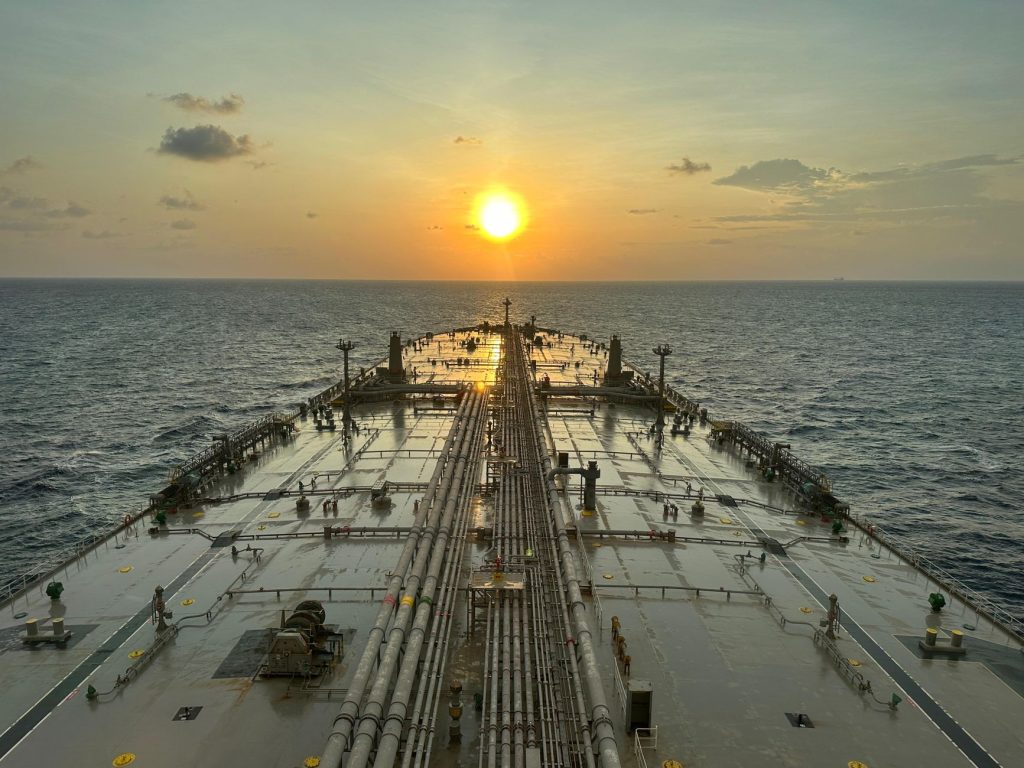
Photo by Punit Singh on Pexels
References
You might also like
FD Interest Rates: Best 7.85% Rates You Can Get Now · Sensex market rise: What are the 3 proven reasons today? · Fusion CX IPO: The Best Complete Review for Investors