US tax credit: What are the proven reasons for denial?
US tax credit details reveal why late Form 67 filing led to denial.
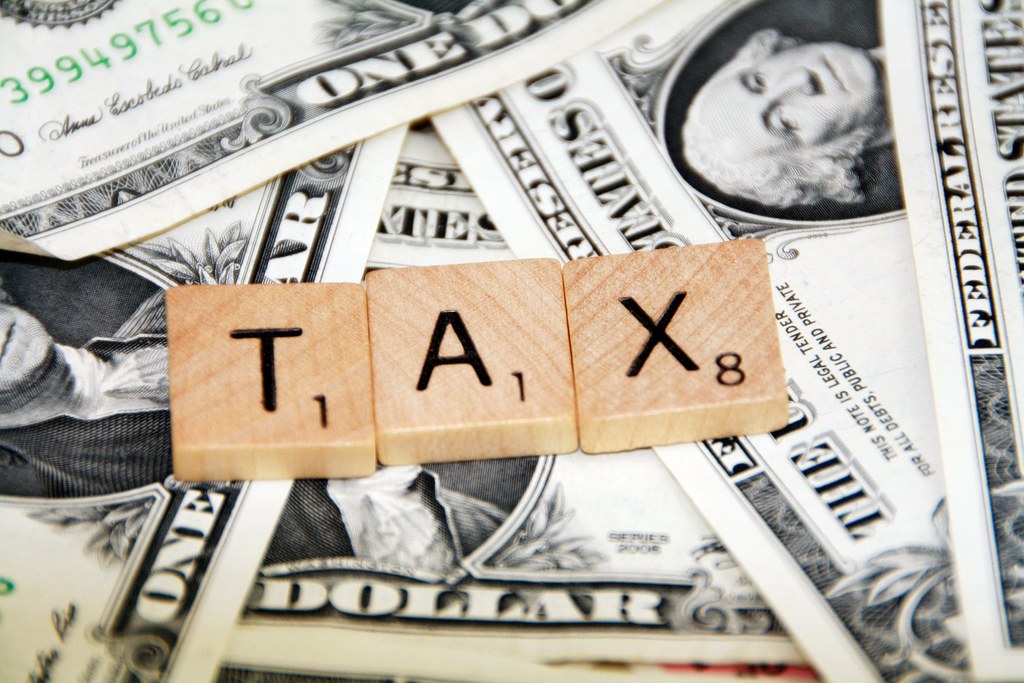
The US tax credit situation has become critical as a recent ruling highlights the consequences of late Form 67 filing. Taxpayers need to understand how this can impact their claims under the India-US DTAA.
Understanding the US Tax Credit
The US tax credit is a vital financial incentive for many citizens and residents, designed to reduce their tax liability. However, various factors can lead to the denial of these credits. Understanding the reasons behind such denials is crucial for individuals seeking to maximize their tax benefits.
One common reason for denial is the failure to file necessary forms on time. For instance, a case recently highlighted the denial of a Rs 1.79 lakh US tax credit due to a late submission of Form 67. This form is essential for claiming benefits under the India-US Double Taxation Avoidance Agreement (DTAA), and missing the deadline can have significant financial repercussions.
Additionally, inaccuracies in the information provided can lead to denial. It is essential to ensure that all details, such as income and tax paid, are correctly reported. Missing documentation, such as proof of foreign taxes paid or evidence of eligibility for the credit, can also result in rejection.
Lastly, taxpayers should be aware that changes in tax laws and regulations may affect their eligibility. Staying informed about the latest updates and ensuring compliance with all requirements can help prevent the unfortunate denial of a US tax credit.
Impact of Late Form 67 Filing
The recent ruling by the ITAT Bangalore highlights the significant impact of late Form 67 filing on the eligibility for the US tax credit. Form 67 is a crucial document required for claiming tax benefits under the India-US Double Taxation Avoidance Agreement (DTAA). Failure to submit this form on time can lead to the denial of tax credits that individuals might otherwise be entitled to.
In the case reviewed, the taxpayer’s late submission of Form 67 resulted in a denial of the Rs 1.79 lakh US tax credit. This situation serves as a stark reminder of the importance of adhering to deadlines when it comes to tax filings. The ITAT emphasized that timely compliance with procedural requirements is essential for availing of tax benefits.
Taxpayers should be aware of the following key points regarding the impact of late Form 67 filing:
- Eligibility Criteria: Missing deadlines can disqualify individuals from claiming tax credits.
- Financial Implications: Delays can lead to significant financial losses, as seen in the denied claim.
- Regulatory Compliance: Understanding requirements ensures smoother tax processes and reduces the risk of denial.
In conclusion, the denial of the US tax credit due to late Form 67 filing underscores the necessity for taxpayers to remain vigilant about their tax obligations.
ITAT Bangalore’s Ruling Explained
The recent ruling by the Income Tax Appellate Tribunal (ITAT) in Bangalore has brought to light critical insights regarding the denial of the US tax credit. This decision stems from a case involving the denial of a Rs 1.79 lakh tax credit under the India-US Double Taxation Avoidance Agreement (DTAA) due to the late filing of Form 67.
In its ruling, the ITAT emphasized several key points that contributed to the denial. First and foremost, the tribunal highlighted the importance of timely submissions for tax credits, reinforcing that delays can lead to significant repercussions for taxpayers seeking benefits under international agreements. The tribunal noted that adherence to procedural requirements is essential for the valid claim of the US tax credit.
Additionally, the ruling reiterated the necessity of maintaining proper documentation and compliance with the stipulated timelines. The tribunal ruled that the late filing of Form 67, which is crucial for claiming the credit, negated the taxpayer’s eligibility for the US tax credit in this instance.
Furthermore, the ITAT’s decision serves as a reminder to taxpayers about the rigorous standards imposed by tax authorities. It is crucial for individuals to be aware of deadlines and ensure all necessary forms are submitted accurately and on time to avoid similar outcomes in future claims.
Consequences of Tax Credit Denial
The denial of a US tax credit can have significant financial implications for individuals and businesses alike. When a tax credit is denied, taxpayers may face an unexpected tax burden, leading to potential cash flow issues. This can be particularly challenging for those who rely on the credit to offset their tax liability.
In addition to immediate financial consequences, there are several long-term effects that can arise from a denied US tax credit:
- Increased tax liability: Without the benefit of the tax credit, individuals may owe more taxes than anticipated, which could lead to penalties and interest on unpaid amounts.
- Impact on future claims: A denial may prompt a more rigorous scrutiny of future tax credit applications, making it harder to qualify for credits in subsequent years.
- Time and resources: Taxpayers may need to invest more time and resources into resolving the denial, including hiring tax professionals to appeal the decision or refile necessary documentation.
- Stress and uncertainty: The emotional toll of facing a denial can lead to stress and uncertainty, particularly for those who plan their finances around expected tax credits.
Understanding the potential consequences of tax credit denial emphasizes the importance of accurate and timely filings to avoid such pitfalls in the future.
Navigating India-US Tax Regulations
Navigating the complexities of India-US tax regulations can be challenging for individuals seeking to claim benefits such as the US tax credit. Understanding the interplay between the two countries’ tax systems is crucial for ensuring compliance and maximizing potential tax benefits.
The US tax credit, which allows eligible taxpayers to reduce their tax liability, often requires meticulous adherence to specific filing processes. One common issue arises with the timely submission of Form 67, which is necessary for claiming tax credits under the Double Taxation Avoidance Agreement (DTAA). Delays or errors in filing this form can lead to significant repercussions.
Recent rulings, such as the one from ITAT Bangalore, have highlighted the importance of strict compliance with filing deadlines. In this case, a taxpayer was denied a claim of Rs 1.79 lakh due to the late filing of Form 67, underscoring the need for vigilance in meeting regulatory requirements.
Taxpayers navigating these regulations should consider the following:
- Timeliness: Ensure all forms are submitted by their respective deadlines.
- Documentation: Maintain thorough records of all transactions and filings.
- Professional Advice: Consult with tax professionals familiar with both India and US tax laws.
By understanding and adhering to these guidelines, taxpayers can better navigate the complexities of the India-US tax landscape and avoid potential pitfalls associated with the US tax credit.
Key Takeaways for Taxpayers
Taxpayers looking to claim the US tax credit should be aware of several important factors that can influence the eligibility and approval of their claims. Here are some key takeaways:
- Timely Submission: One of the most critical aspects is the timely filing of Form 67. Delays can lead to automatic denials, as highlighted by the recent ITAT Bangalore ruling.
- Documentation: Ensure that all required documentation is in order. Incomplete or inaccurate submissions can result in complications and denials.
- Eligibility Criteria: Familiarize yourself with the specific eligibility criteria for the US tax credit. Understanding these requirements can help avoid pitfalls during the application process.
- Consultation: Seeking professional advice from tax experts can provide clarity and guidance, especially in navigating complex regulations between India and the US.
- Stay Informed: Tax laws frequently change, so staying updated on the latest regulations is essential for maximizing your benefits.
By keeping these key points in mind, taxpayers can enhance their chances of successfully claiming the US tax credit and avoid common mistakes that lead to denial.
Advice for Future Filings
When considering future filings for the US tax credit, taxpayers should take several proactive steps to enhance their chances of approval. Understanding the intricacies of tax regulations can significantly impact outcomes.
- Timely Submission of Forms: Ensure that all required forms, particularly Form 67, are submitted within the stipulated deadlines. Late submissions can jeopardize eligibility for the US tax credit.
- Thorough Documentation: Maintain comprehensive records of all relevant financial documents and correspondence. Proper documentation supports claims and helps clarify any potential discrepancies.
- Seek Professional Guidance: Consulting with tax professionals who specialize in international tax regulations can provide valuable insights. They can help navigate complex tax treaties and ensure compliance with both US and Indian regulations.
- Stay Updated on Tax Regulations: Tax laws are subject to change. Regularly reviewing updates from the IRS and the Indian tax authority can prevent misunderstandings and facilitate better planning.
- Understand Eligibility Criteria: Familiarize yourself with the specific eligibility requirements for the US tax credit. This knowledge can help in making informed decisions and avoiding common pitfalls.
By adhering to these guidelines and being diligent in their approach, taxpayers can improve their likelihood of receiving the US tax credit in future filings.
Common Mistakes to Avoid
When applying for the US tax credit, taxpayers often make common mistakes that can lead to denial. Understanding these pitfalls can help ensure a smoother application process and increase the likelihood of approval.
- Incomplete Documentation: Submitting incomplete forms or missing required documents can significantly delay the process or result in outright denial. Always double-check that all necessary paperwork is included.
- Incorrect Information: Errors in personal information, such as name, Social Security number, or financial details, can lead to complications. Ensure that all entries are accurate and match official records.
- Late Submission: As highlighted in recent rulings, late filings, such as the Form 67, can result in the denial of the US tax credit. Timeliness is crucial, so be mindful of deadlines.
- Lack of Understanding of Eligibility Criteria: Many applicants are unaware of specific eligibility criteria for the US tax credit. Familiarize yourself with the requirements to avoid unnecessary denials.
- Neglecting Follow-Up: After submission, it is essential to follow up on the status of your application. Ignoring this step can lead to missed notifications or additional requests from tax authorities.
By avoiding these common mistakes, taxpayers can improve their chances of a successful claim for the US tax credit.
By 401(K) 2013 via Openverse
Read the original
You might also like
Air India Refund Issue: Worst Consumer Experience Exposed · Indian diaspora investments: Proven ways to boost India’s economy · Sahajanand Medical Technologies IPO: Smart Investment Opportunity