Tax rises people oppose: What are the worst options?
Tax rises people oppose are a hot topic in Budget 2026. Discover the most contentious proposals and their potential impact.
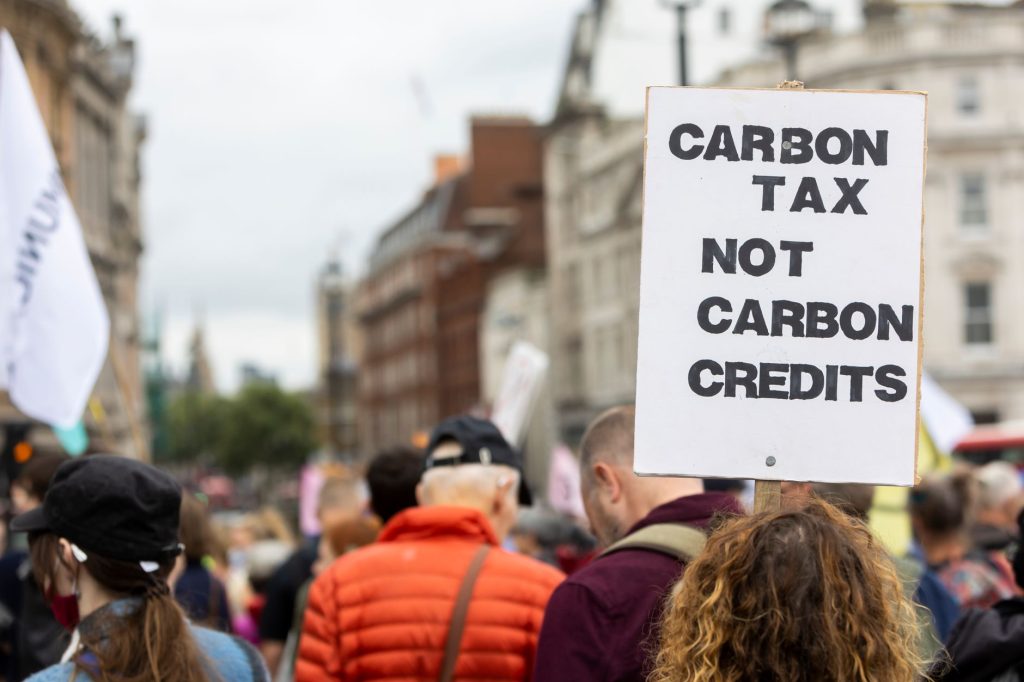
Tax rises people oppose are at the forefront of discussions surrounding Budget 2026. As the government outlines its financial plans, public sentiment reveals significant resistance to certain proposed tax increases.
Overview of Budget 2026
The upcoming Budget 2026 has sparked considerable debate among the public, particularly concerning proposed tax rises that people oppose. As the government seeks to address rising costs and public spending, various tax measures have been put forward, many of which have met with significant resistance.
Among the most contentious options are:
- Increased Value Added Tax (VAT): Many citizens believe that raising VAT would disproportionately affect lower-income households, making everyday goods and services more expensive.
- Higher Income Tax Rates: Proposals to increase rates for higher earners have been divisive, with critics arguing it could discourage investment and economic growth.
- New Wealth Taxes: The idea of introducing taxes on wealth has been met with skepticism, as opponents fear it may lead to capital flight and reduced entrepreneurship.
- Property Tax Increases: Rising property taxes are seen as a burden on homeowners, particularly in areas already facing affordability challenges.
These tax rises that people oppose reflect broader concerns about economic stability and fairness. As discussions continue, public sentiment suggests that any changes must consider the impact on everyday lives and the overall economy.
Key Tax Proposals
The Budget 2026 has brought various tax proposals to the forefront, many of which have sparked significant opposition among the public. Several options have emerged as particularly contentious, leading to widespread discussions on their potential impact.
- Increased Income Tax Rates: One of the most unpopular suggestions involves raising income tax rates for high earners. Many people oppose this tax rise, fearing it could discourage investment and economic growth.
- Higher VAT on Essential Goods: Proposals to elevate Value Added Tax (VAT) on essential goods have drawn heavy criticism. Citizens argue that this would disproportionately affect low-income families, who already struggle with rising living costs.
- Capital Gains Tax Changes: Modifications to capital gains tax are also on the table. While aimed at generating more revenue, many people oppose this move, believing it would deter individuals from investing in the economy.
- New Digital Services Tax: The introduction of a digital services tax has faced backlash, especially from tech companies and consumers alike. Critics argue it could lead to higher costs for digital services.
These proposals illustrate the challenges the government faces in balancing fiscal responsibility with public sentiment, as many tax rises people oppose could have far-reaching consequences.
Public Reaction to Tax Increases
The recent proposals outlined in Budget 2026 have sparked significant public debate, particularly regarding the tax rises people oppose. Many citizens are expressing their discontent through various channels, including social media, community forums, and public demonstrations.
A survey conducted by the national polling organization revealed that over 65% of respondents are against proposed increases in income tax and sales tax. The findings indicate a strong sentiment among the populace that these tax rises will disproportionately affect lower and middle-income families.
Concerns have been raised about the impact of these increases on everyday expenses. Many individuals fear that higher sales tax will lead to inflated prices on essential goods, while income tax rises could diminish disposable income, making it harder to cover basic needs.
In addition, various grassroots organizations have started campaigns to mobilize opposition against specific tax proposals. These groups argue that the government should seek alternative solutions to budget shortfalls, such as cutting unnecessary expenditures or enhancing efficiency within public services.
As the debate continues, it remains clear that the proposed tax rises are facing fierce opposition, and many citizens are calling for a reconsideration of the budgetary approach.
Comparative Analysis of Tax Policies
The debate surrounding tax rises people oppose often centers on the various policies proposed in the Budget 2026. A comparative analysis of these tax policies reveals the nuances that fuel public dissent.
Several key areas have emerged as focal points for opposition:
- Income Tax Increases: Many citizens are concerned about the potential increase in income tax rates, which they feel disproportionately affects middle and lower-income families.
- Capital Gains Tax Adjustments: Proposed adjustments to capital gains taxes have faced backlash, particularly from investors and small business owners who fear it could stifle economic growth.
- Value-Added Tax (VAT) Hikes: A rise in VAT is viewed unfavorably, as it directly impacts the cost of everyday goods and services, placing an additional burden on consumers.
- Corporate Tax Changes: Modifications to corporate tax rates are met with skepticism, as many believe it could lead to reduced hiring and investment, further complicating the job market.
As policymakers weigh these options, the challenge remains to balance fiscal responsibility with public sentiment. Understanding which tax rises people oppose will be crucial in shaping a budget that addresses both economic needs and social equity.
Economic Impact of Proposed Taxes
The proposed tax rises have sparked significant debate, with many citizens expressing strong opposition to certain measures. Understanding the economic impact of these proposed taxes is crucial for grasping the broader implications on individuals and businesses alike.
Experts warn that the tax increases could lead to several adverse effects on the economy, including:
- Decreased Consumer Spending: Higher taxes may reduce disposable income, leading to lower spending in retail and service sectors.
- Investment Slowdown: Businesses might hesitate to invest in growth initiatives, fearing that increased taxes could cut into profits.
- Job Losses: With companies potentially tightening their budgets, layoffs may become a reality as firms adjust to new financial pressures.
- Increased Inflation: If businesses pass on the costs of higher taxes to consumers, this could result in further inflationary pressures.
Many argue that these economic repercussions highlight the need for careful consideration of which tax rises people oppose most vehemently. As public sentiment continues to evolve, policymakers must weigh the potential outcomes of these proposed changes against the backdrop of economic stability and growth.
Expert Opinions on Budget 2026
Experts have weighed in on the contentious issue of tax rises people oppose in the upcoming Budget 2026. Many analysts express concern over the proposed tax increases, arguing that they could have detrimental effects on both individual households and the economy at large.
Dr. Emily Thompson, a senior economist, emphasizes the need for careful consideration of the tax options presented. She states, “Increased taxes on essential goods and services are likely to hit low and middle-income families the hardest, exacerbating existing inequalities.” She advocates for a more balanced approach that minimizes the burden on the most vulnerable populations.
Similarly, Professor John Miller from the Institute for Fiscal Studies points out that “the proposed capital gains tax hike may deter investment and slow economic growth.” He warns that while raising revenue is crucial, it should not come at the cost of stifling economic activity.
Furthermore, a recent survey revealed that a significant portion of the public is against certain tax rises, particularly those affecting income and wealth. The survey indicated that 70% of respondents expressed dissatisfaction with potential hikes on middle-class salaries. As discussions continue, it remains clear that finding a compromise will be essential to address the tax rises people oppose.
Future Implications for Taxpayers
The ongoing debate surrounding the proposed tax rises people oppose is set to have significant future implications for taxpayers. As the government moves forward with its budgetary plans, the burden of increased taxes may lead to several unintended consequences that could affect the economy and individual finances.
One of the primary concerns is the potential for reduced disposable income among households. As taxes rise, families may find it increasingly difficult to manage their monthly budgets, leading to cutbacks in spending on essentials such as education, healthcare, and housing. This reduction in consumer spending can, in turn, slow down economic growth.
Additionally, there are fears that these tax increases may drive businesses to reconsider their operations. A rise in corporate taxes could incentivize companies to relocate to regions with more favorable tax environments, resulting in job losses and diminished economic activity in affected areas.
Moreover, the public’s resistance to these tax proposals may lead to a lack of trust in government institutions, further complicating future fiscal policies. As citizens voice their disapproval, policymakers may find it increasingly challenging to implement necessary reforms without facing significant backlash.
In conclusion, the implications of the tax rises people oppose are far-reaching, highlighting the need for a balanced approach to tax policy that considers the long-term effects on taxpayers and the economy.
Conclusion and Next Steps
In conclusion, the ongoing debate surrounding the proposed tax rises people oppose highlights a significant divide between government intentions and public sentiment. As outlined throughout this article, the key tax proposals have stirred considerable unrest among citizens, leading to widespread discussions on the fairness and necessity of such increases.
Moving forward, it is crucial for policymakers to engage more actively with the public to address their concerns and incorporate feedback into future tax strategies. This may include:
- Conducting surveys to gauge public opinion on specific tax proposals.
- Hosting town hall meetings to allow constituents to voice their perspectives directly to lawmakers.
- Exploring alternative revenue sources to reduce reliance on tax increases that face strong opposition.
Moreover, transparency in budget discussions and a clear explanation of how the proposed tax rises will benefit the community could help bridge the gap between government and taxpayers. Ultimately, the success of Budget 2026 will depend on the ability to create a tax system that not only addresses fiscal needs but also garners public support and trust.
As the conversation evolves, keeping a close eye on public sentiment will be essential for the government to navigate the complexities of taxation and foster a cooperative relationship with its citizens.
Among the various proposals being discussed, there are several tax rises people oppose due to their potential impact on the middle class. Understanding the reasons behind these tax rises people oppose can help policymakers make more informed decisions.
Photo by Centre for Ageing Better on Pexels