Examining Technology, Shipping, and Logistics Through the Experience of Ali Kain
Explore the experience of Ali Kain in technology, shipping, and logistics.
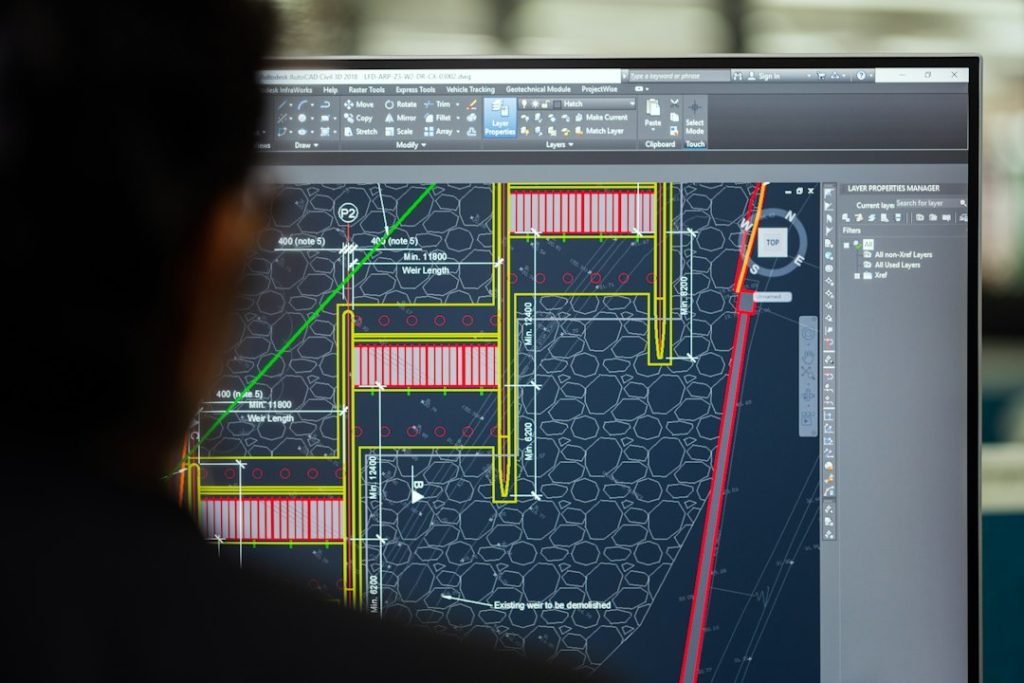
The development of modern logistics has created a stronger connection between technology and transportation. Businesses increasingly rely on digital information to coordinate shipping activities, organize records, and maintain operational visibility. Against this background, the professional experience associated with Ali Kain offers a relevant starting point for examining how technology, shipping, and logistics can intersect. These fields require different forms of knowledge, yet they share important professional qualities such as organization, adaptability, communication, and problem-solving.
Contents
- Why Is Technology Important to Logistics?
- What Does Shipping Experience Contribute?
- How Does Logistics Connect Different Functions?
- What Role Does Problem-Solving Play?
- How Can Digital Tools Support Better Visibility?
- Why Is Adaptability Essential?
- What Professional Lessons Come From This Combination?
- How Is the Industry Continuing to Evolve?
Why Is Technology Important to Logistics?
Technology helps logistics teams manage information associated with transportation and supply-chain activities. Digital platforms can support shipment records, scheduling, tracking, communication, and reporting. By organizing information through connected systems, businesses can gain clearer visibility into operational processes. This can help teams coordinate responsibilities and respond when conditions change.
What Does Shipping Experience Contribute?
Shipping provides practical exposure to transportation processes and operational coordination. Professionals working around shipping must pay attention to schedules, documentation, communication, and movement requirements. These responsibilities can develop a strong understanding of how transportation activities affect broader logistics operations.
How Does Logistics Connect Different Functions?
Logistics brings together several activities that must operate in coordination. Transportation, information management, scheduling, documentation, and communication can all influence the flow of goods. Because these activities are interconnected, logistics professionals benefit from understanding how individual tasks contribute to the larger operational structure.
What Role Does Problem-Solving Play?
Unexpected changes are a natural part of logistics. Scheduling adjustments, communication issues, documentation concerns, and transportation disruptions can require practical responses. Problem-solving skills help professionals evaluate available information and identify suitable operational steps. Technology can provide useful information, but professional judgment remains important when responding to real-world circumstances.
How Can Digital Tools Support Better Visibility?
Digital tools can make operational information easier to access and organize. Tracking systems can provide updates, while shared platforms can support communication between teams. Data management tools can also help professionals review operational information and identify patterns. The experience associated with Ali Kain can be understood within this broader movement toward technology-supported logistics, where digital capabilities complement established transportation practices.
Why Is Adaptability Essential?
The logistics industry continues to change as businesses adopt new systems and respond to evolving transportation requirements. Professionals need to remain willing to learn and adjust their working methods. Adaptability can help individuals understand emerging technologies while continuing to focus on reliable operational processes.
What Professional Lessons Come From This Combination?
Technology and logistics demonstrate the value of combining specialized knowledge with transferable skills. Communication supports coordination, organization helps maintain consistency, and analytical thinking can assist with operational decisions. Experience across connected fields can also encourage professionals to consider both technical systems and practical requirements.
How Is the Industry Continuing to Evolve?
Logistics is becoming increasingly connected through digital communication, information systems, and technology-supported planning. As these developments continue, professionals with knowledge spanning technology, shipping, and logistics can contribute to understanding how different operational functions interact. The broader professional profile represented by Ali Kain illustrates the relevance of this cross-disciplinary perspective and the continuing importance of combining technological awareness with practical logistics expe
At a Glance
- Modern logistics increasingly integrates technology to enhance shipment coordination and operational visibility.
- Technology assists logistics teams in managing crucial information related to transportation and supply-chain activities.
- Shipping experience offers practical knowledge essential for effective operational coordination and understanding logistics impacts.
- Logistics professionals benefit from recognizing how individual tasks like documentation and scheduling are interconnected.
- Problem-solving skills are crucial for addressing disruptions in logistics, aided by technology but requiring professional judgment.
- The logistics industry is evolving with digital communication and planning tools, emphasizing the need for cross-disciplinary knowledge in technology and logistics.