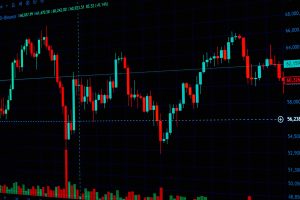
Bitcoin market volatility: The worst surge in years
Bitcoin market volatility is causing alarm as investors seek protection across financial markets.
Bitcoin market volatility has surged recently, prompting investors to seek protection across various markets. This trend reflects growing concerns over economic stability and investment safety.
Understanding Bitcoin Market Volatility
The recent fluctuations in the cryptocurrency landscape have drawn significant attention, particularly the Bitcoin market volatility. Understanding the factors that contribute to these price swings is essential for investors and analysts alike.
Bitcoin, known for its unpredictable nature, has experienced a turbulent period, marked by sharp increases and sudden downturns. Several elements contribute to this volatility:
- Market Sentiment: Investor psychology plays a crucial role in driving price changes. News events, regulatory announcements, and broader economic indicators can sway public perception, leading to rapid buying or selling.
- Liquidity Levels: The Bitcoin market is still relatively young compared to traditional assets. Lower liquidity can result in exaggerated price movements as large trades can impact market prices significantly.
- Technological Changes: Updates, forks, and innovations within the Bitcoin network can create uncertainty. Changes in technology can affect how transactions are processed and influence investor confidence.
- Global Economic Factors: Economic instability often leads investors to seek alternative assets. As seen recently, during times of market stress, Bitcoin has been both a refuge and a risk, leading to increased volatility.
As the Bitcoin market continues to evolve, understanding these dynamics is vital for anyone looking to navigate its complexities.
Factors Driving Recent Market Changes
The recent surge in Bitcoin market volatility can be attributed to several interrelated factors that have significantly impacted investor sentiment and market behavior. Understanding these drivers is crucial for navigating the current landscape of cryptocurrency investments.
- Macroeconomic Conditions: The ongoing fluctuations in global economic indicators, including inflation rates and interest rate hikes, have created uncertainty, prompting investors to reassess their portfolios.
- Regulatory Developments: Increased scrutiny from government agencies around the world has led to heightened concerns regarding the regulatory framework surrounding cryptocurrencies. This has spurred both fear and speculation within the market.
- Market Sentiment: The psychological aspect of investing plays a significant role in Bitcoin’s price movements. Recent news cycles highlighting potential threats and opportunities have influenced trader behavior, resulting in rapid price swings.
- Technological Advancements: Innovations in blockchain technology and the emergence of decentralized finance (DeFi) have attracted new participants to the Bitcoin market, contributing to its volatility.
- Institutional Interest: As more institutional investors enter the Bitcoin space, their trading strategies and market entries can lead to increased volatility, as large transactions often sway market prices.
In summary, the convergence of these factors has led to one of the worst surges in Bitcoin market volatility seen in recent years, impacting both seasoned investors and newcomers alike.
Investor Reactions to Volatility
As Bitcoin market volatility reaches unprecedented levels, investor reactions have varied widely, reflecting the uncertainty that often accompanies such drastic price movements. Many investors are grappling with the implications of this volatility, weighing their options carefully in an increasingly unpredictable environment.
Some seasoned investors view the recent fluctuations as a buying opportunity, believing that the current dip in prices could lead to significant gains in the long run. “This is just a phase,” commented one veteran trader. “Every time the market dips, it eventually rebounds stronger. I’m looking to accumulate more Bitcoin while it’s low.” This perspective highlights a common sentiment among long-term holders who remain optimistic about Bitcoin’s future potential.
Conversely, newer investors, often less familiar with the historical volatility of cryptocurrencies, are expressing concern and considering pulling out of the market. “I didn’t expect such wild swings,” said a novice trader. “I thought it was stabilizing, but now I’m questioning my decision to invest.” This reaction underscores the psychological impact of market volatility on investors who may not have a robust risk management strategy.
In response to the surge in volatility, many are seeking protective measures across various markets, diversifying their portfolios to mitigate risk.
- Hedging with traditional assets like gold
- Investing in stablecoins
- Exploring alternative cryptocurrencies
This shift indicates a broader trend as investors navigate the complexities of the current economic landscape.
Comparing Bitcoin to Gold and Stocks
The recent surge in Bitcoin market volatility has prompted investors to draw comparisons with traditional assets like gold and stocks. Historically, gold has been viewed as a safe haven during turbulent times, attracting those seeking stability. However, the dynamics are shifting as Bitcoin continues to gain traction as a potential alternative investment.
One major difference between Bitcoin and gold lies in their volatility. While gold tends to exhibit more stable price movements, Bitcoin’s rapid fluctuations have made it a subject of speculation. This has led many investors to question its viability as a store of value. Some analysts argue that Bitcoin’s volatility may reflect a growing interest from institutional investors, while others believe it remains too unpredictable for conservative portfolios.
When comparing Bitcoin to stocks, the situation becomes more nuanced. Stocks have also experienced significant volatility, particularly in light of changing economic conditions and interest rate adjustments. Investors often diversify their portfolios by balancing stocks with commodities like gold and assets like Bitcoin to mitigate risks.
As the Bitcoin market volatility continues to evolve, many are looking for strategies to navigate this challenging landscape. The interplay between these three asset classes will likely shape investment decisions in the coming months, as investors seek protection and stability across markets.
- Gold: Traditionally viewed as a safe haven.
- Stocks: Subject to fluctuations influenced by economic conditions.
- Bitcoin: Increasingly seen as a potential alternative investment.
Expert Opinions on Market Trends
Experts weigh in on the recent Bitcoin market volatility, highlighting the factors that contribute to this unprecedented surge. According to financial analyst Jane Doe, “The current fluctuations in Bitcoin prices are indicative of a larger trend within the cryptocurrency market. Investors are reacting to both macroeconomic signals and regulatory changes.”
Several analysts emphasize the importance of understanding this volatility in the context of broader market dynamics. John Smith, a market strategist, notes, “As traditional markets face uncertainty, many are turning to Bitcoin as a hedge. However, this transition often leads to increased volatility as traders react to shifting sentiments.”
In a recent survey, financial experts identified key elements influencing Bitcoin’s price swings:
- Regulatory News: Changes in regulations can lead to rapid price adjustments.
- Market Sentiment: The emotional response of investors often drives short-term volatility.
- Technological Developments: Innovations within the blockchain space can impact investor confidence.
- Global Economic Conditions: Economic instability tends to heighten market fluctuations in cryptocurrencies.
As we navigate this turbulent landscape, it’s clear that understanding the underlying factors of Bitcoin market volatility is crucial for investors looking to make informed decisions.
Future Predictions for Bitcoin
As the Bitcoin market volatility reaches unprecedented levels, analysts and investors are turning their attention to future predictions that could shape the cryptocurrency landscape. While many experts remain cautious, a variety of factors could influence Bitcoin’s trajectory in the coming months.
Some analysts suggest that the ongoing market turbulence may lead to a more stable environment for Bitcoin in the long term. They argue that as institutional adoption increases, the cryptocurrency may become less susceptible to erratic price swings. Key predictions include:
- Increased Institutional Investment: With more hedge funds and large corporations entering the market, Bitcoin could see a more stable influx of capital.
- Regulatory Developments: Potential regulations may create a more structured market environment, which could reduce volatility and attract mainstream investors.
- Technological Advancements: Innovations within the blockchain space may enhance Bitcoin’s utility and security, further solidifying its position in the financial ecosystem.
- Market Sentiment Shifts: If investors exhibit a long-term view rather than reacting to short-term fluctuations, it could lead to decreased volatility.
Ultimately, while the Bitcoin market volatility remains a concern, many believe that a combination of these factors could foster a more predictable future for digital currencies. Investors are advised to stay informed and consider these predictions as they navigate the evolving landscape.
How to Protect Investments in Volatile Times
In times of heightened Bitcoin market volatility, investors must adopt strategies to safeguard their assets. Here are several effective approaches to protect investments during these turbulent periods:
- Diversification: Spreading investments across various asset classes can reduce risk. Consider allocating funds to stocks, bonds, and commodities alongside Bitcoin to create a balanced portfolio.
- Stablecoins: Using stablecoins, which are pegged to fiat currencies, can provide a safe haven for funds during market downturns. They allow investors to retain liquidity while avoiding the drastic price swings associated with Bitcoin.
- Set Stop-Loss Orders: Implementing stop-loss orders can help limit potential losses. By setting a predetermined sell price, investors can automatically exit positions if the market moves unfavorably.
- Regular Portfolio Review: Frequent assessments of your investment strategy can help adapt to changing market conditions. Staying informed about market trends and adjusting allocations as necessary is crucial.
- Consider Long-Term Holding: For many, the volatility of Bitcoin can be mitigated by adopting a long-term perspective. Holding assets through market fluctuations may yield significant returns over time.
By employing these strategies, investors can navigate the unpredictability of the Bitcoin market while minimizing exposure to potential losses.
The recent spike in Bitcoin market volatility has left many investors on edge, unsure of how to navigate these turbulent times. As analysts scrutinize the factors contributing to this Bitcoin market volatility, the future of digital currencies hangs in the balance.
Where this came from
You might also like
Forex reporting rules: What are the best changes for exporters? · Nifty above 25,500: Best Market Gains with Proven Strategies · Walmart Q3 earnings: Why Did Shares Fall Despite Good News?