Muhurat Trade Insights: Smart Strategies for Investors
Muhurat Trade insights reveal market trends and strategies for investors looking to navigate Sensex and Nifty fluctuations effectively.
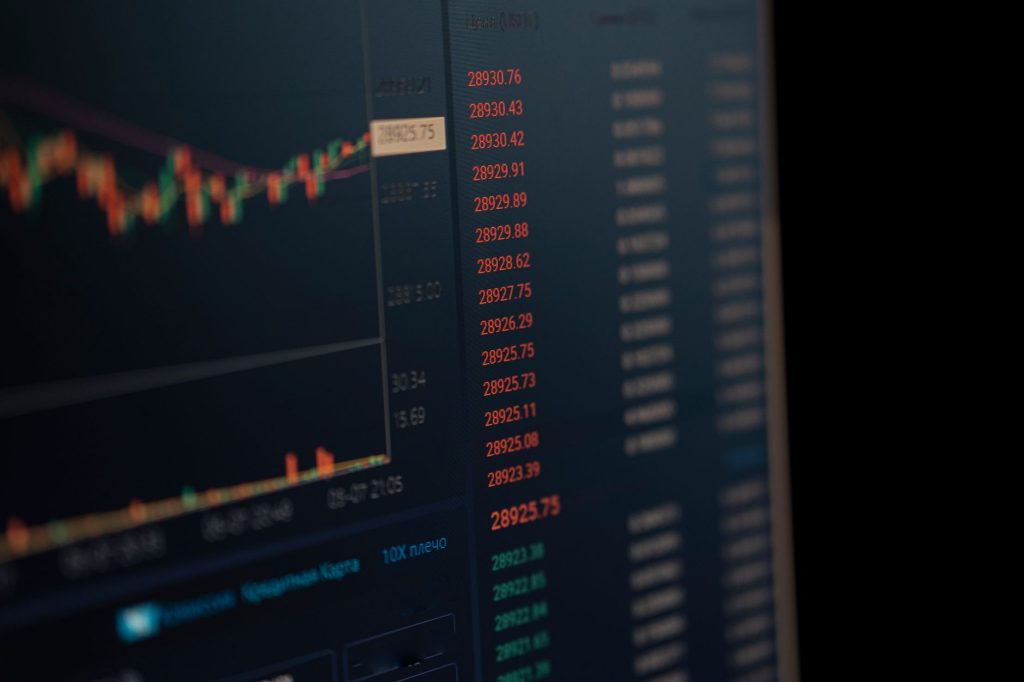
Muhurat Trade insights highlight the recent performance of Sensex and Nifty, which ended marginally lower despite positive FPI inflow and an optimistic outlook for the new Samvat.
Understanding Muhurat Trading
Muhurat trading is a traditional practice in the Indian stock market that takes place during the auspicious hour on the evening of Diwali. Investors believe that trading during this time brings good luck and prosperity for the year ahead. The session, which lasts for about an hour, is marked by a festive atmosphere, as traders and investors come together to mark the beginning of the new Samvat year.
Despite the positive sentiment typically associated with Muhurat trading, market performance can be mixed. For instance, this year, both the Sensex and Nifty ended marginally lower, reflecting a cautious mood among investors. This decline occurred despite Foreign Portfolio Investor (FPI) inflows, which usually indicate investor confidence. The juxtaposition of these factors highlights the complexity of market dynamics during this period.
Investors looking to participate in Muhurat trading should consider a few strategies to maximize their potential gains:
- Research: Stay informed about market trends and economic indicators that might impact stock performance.
- Diversification: Consider spreading investments across different sectors to mitigate risks.
- Long-term perspective: Focus on stocks with strong fundamentals for sustained growth beyond the Muhurat trade.
- Emotional discipline: Avoid making impulsive decisions based on market hype during this auspicious time.
By employing these strategies, investors can navigate the complexities of Muhurat trading effectively.
Market Performance Overview
The recent Muhurat trading session witnessed a mixed performance in the Indian stock market, where both the Sensex and Nifty indices ended marginally lower. Despite this decline, there are positive indicators for investors looking to capitalize on the Muhurat trade insights for the upcoming year.
Key factors influencing market performance during this period include:
- FPI Inflows: Foreign Portfolio Investors (FPIs) continued to show interest, contributing to a robust inflow that provided some support to the market.
- Sector Performance: While some sectors experienced a downturn, others such as technology and consumer goods showcased resilience, indicating potential opportunities for savvy investors.
- Market Sentiment: The overall sentiment remained cautiously optimistic, fueled by a positive outlook for the new Samvat year and expectations of economic recovery.
It is essential for investors to analyze these market dynamics carefully. Understanding how external factors and seasonal trends can impact stock performance is crucial in making informed decisions. As the new trading year unfolds, leveraging Muhurat trade insights will be vital for those aiming to navigate the challenges and opportunities that lie ahead.
Key Factors Influencing Sensex and Nifty
The Indian stock market, particularly the Sensex and Nifty, is influenced by various key factors that investors should consider during Muhurat Trade. These factors can significantly impact market performance and investor sentiment, especially in light of the recent trends observed in the market.
One primary factor is foreign portfolio investments (FPI). Despite a marginal decline in indices, the inflow of FPIs has been robust, indicating a positive outlook for the market. This capital infusion often signals investor confidence, which can lead to increased buying pressure on select stocks.
Another critical element is the global economic environment. Changes in international markets, geopolitical developments, and economic indicators from major economies can influence investor behavior. A favorable global outlook can bolster local markets, while uncertainties may lead to cautious trading.
Corporate performance also plays a vital role. The quarterly earnings of companies can greatly affect stock prices. Investors should keep an eye on upcoming earnings reports, as strong performances can uplift market trends during Muhurat Trade.
Lastly, government policies and regulations, especially those impacting taxation and investment, can sway market dynamics. With these factors in mind, investors can strategize effectively and make informed decisions during Muhurat Trade, optimizing their opportunities in this unique trading period.
Impact of FPI Inflows
The recent Muhurat Trading session was marked by notable foreign portfolio investor (FPI) inflows, yet the Sensex and Nifty ended marginally lower. This paradox highlights the complexity of market reactions to external investments, particularly during auspicious trading periods like Muhurat Trade.
FPI inflows typically signal investor confidence and can bolster market performance. However, in this instance, a combination of factors overshadowed the positive sentiment. Analysts suggest that while the inflow of funds is a sign of optimism, the prevailing economic uncertainties dampened immediate market gains.
Investors are advised to consider the following insights regarding FPI activity during Muhurat Trading:
- Short-Term Volatility: FPI inflows can lead to short-term volatility, as global trends and domestic sentiments interact complexly.
- Market Sentiment: The mood of domestic investors often influences how FPI inflows are perceived, affecting overall market performance.
- Long-Term Strategies: Despite fluctuations, consistent FPI investments can indicate strong fundamentals, suggesting that investors focus on long-term growth potential.
In conclusion, while the Muhurat Trade insights reveal positive FPI inflow trends, investors should remain cautious and consider broader economic indicators when making decisions in the current climate.
Outlook for the New Samvat
The outlook for the new Samvat appears cautiously optimistic, even as investors navigate the complexities of the current market landscape. Following the recent Muhurat Trade, where the Sensex and Nifty ended marginally lower, market analysts emphasize the importance of strategic planning for the upcoming year.
Investors are encouraged to consider several key factors that could influence market performance in the new Samvat:
- Global Economic Conditions: Observing global economic trends will be vital, as international markets can have a significant impact on domestic indices.
- Government Policies: Reforms and policy changes introduced by the government can spur market growth or create volatility.
- Sectoral Performance: Identifying sectors that are likely to outperform in the upcoming year can lead to better investment decisions.
- Technological Advancements: Companies investing in technology and innovation are expected to thrive, making them attractive options for investors.
As investors prepare for the new Samvat, they should leverage insights gained from Muhurat Trade. By adopting smart strategies and staying informed about market dynamics, investors can position themselves advantageously for potential growth. Overall, the Muhurat Trade insights indicate that while challenges remain, opportunities for wealth creation are also on the horizon.
Investor Reactions and Sentiment
Investor reactions to the recent Muhurat Trade have been a mix of optimism and caution. While many market participants welcomed the session as an auspicious time to invest, the overall sentiment was tempered by the marginal decline in the Sensex and Nifty indices. This reaction highlights the complexities of market behavior, even during significant trading events.
A survey conducted among retail investors indicated that approximately 65% felt positive about the future of the market, citing the potential for growth in the upcoming Samvat. However, the same survey revealed that 30% of participants expressed concerns regarding the sustainability of the recent FPI inflows and their impact on market volatility.
In addition, many investors are adopting a cautious approach, focusing on long-term strategies rather than short-term gains. This shift reflects a growing awareness of market dynamics and the need for informed decision-making. Key sentiments shared by investors include:
- Hope for economic recovery in the new Samvat.
- Desire for diversified portfolios to mitigate risks.
- Interest in sectors that show resilience amidst market fluctuations.
As investors reflect on their strategies, the Muhurat Trade insights suggest that a balanced approach could be essential for navigating the challenges ahead.
Strategies for Successful Trading
As investors gear up for the auspicious occasion of Muhurat Trading, having a well-thought-out strategy is essential for capitalizing on market movements. Here are some effective strategies for successful trading during this significant time:
- Research and Analysis: Conduct thorough research on the stocks you are interested in. Analyze past performance, market trends, and any news that might influence stock prices during the Muhurat Trade.
- Diversification: To mitigate risks, consider diversifying your portfolio. Invest in a mix of sectors and stocks that are expected to perform well, providing a buffer against any unforeseen fluctuations.
- Set Clear Goals: Define your investment goals before entering the market. Whether it’s short-term gains or long-term growth, having clear objectives will guide your trading decisions.
- Stay Informed: Keep an eye on the latest news and updates. Market sentiment can shift rapidly during Muhurat Trading, and being informed can help you react quickly.
- Emotional Control: Trading during Muhurat can be exhilarating, but maintaining emotional control is crucial. Avoid making impulsive decisions based on market hype.
By implementing these strategies, investors can navigate the complexities of Muhurat Trade effectively and enhance their chances of success in this unique trading environment.
Conclusion and Future Predictions
As the Muhurat Trade period comes to a close, investors are left reflecting on the insights gained and the strategies employed during this auspicious time. While the Sensex and Nifty ended marginally lower, the overall sentiment remains optimistic, fueled by the anticipation of a prosperous new Samvat. The Muhurat Trade insights gathered from this season highlight the importance of understanding market trends and investor behavior.
Looking ahead, analysts predict several key trends that could shape the market in the coming months:
- Economic Indicators: Continued monitoring of inflation and GDP growth will be crucial, as these factors could influence market movements.
- Global Markets: The impact of international economic policies and events will be significant, especially in a volatile global landscape.
- Sector Performance: Certain sectors may outperform others, urging investors to diversify their portfolios strategically.
- FPI Activity: Ongoing foreign portfolio investment (FPI) inflows may bolster market confidence, as seen during this year’s Muhurat Trading.
In conclusion, the Muhurat Trade insights provide valuable lessons for both novice and experienced investors. By adopting smart strategies and staying informed about market dynamics, investors can better position themselves for success in the upcoming trading year. Embracing a proactive approach will be key to navigating the challenges and opportunities that lie ahead.
Investors can leverage Muhurat Trade insights to make informed decisions during this auspicious time. By understanding market trends and historical performance, they can maximize their returns while embracing the spirit of the festival.
Photo by Саша Алалыкин on Pexels