USD INR exchange rate: Worst Impact of RBI’s Proven Hedging Rules
USD INR exchange rate is affected by RBI’s new hedging rules, impacting traders and investors in the currency market.
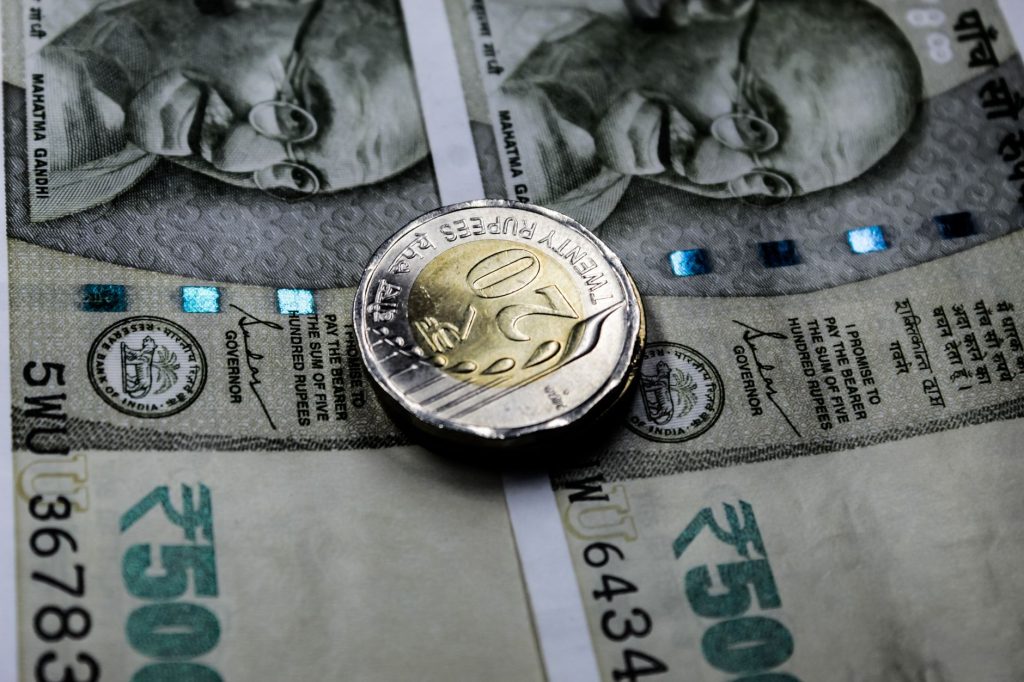
USD INR exchange rate is under pressure as the RBI curbs rupee hedging following the pair’s approach to 97. This move has raised concerns among market participants.
Understanding the RBI’s New Hedging Rules
The Reserve Bank of India (RBI) has recently implemented new hedging rules that have raised concerns among market participants, particularly regarding the USD INR exchange rate. These rules aim to stabilize the rupee but may inadvertently create challenges for businesses and investors who rely on effective hedging strategies.
Under the new regulations, the RBI has restricted the methods through which entities can hedge their foreign exchange exposures. This shift comes in response to the USD INR exchange rate nearing the critical level of 97, prompting the central bank to take action to manage volatility. The changes include limitations on the duration and instruments that can be used for hedging, which may disrupt established practices.
Market analysts suggest that while the RBI’s intention is to protect the rupee, these hedging rules could have significant repercussions:
- Increased Costs: Companies may face higher costs in managing currency risk, leading to reduced competitiveness.
- Market Disruptions: The restrictions could result in lower liquidity in the forex market, complicating transactions.
- Investor Sentiment: Uncertainty around the USD INR exchange rate might deter foreign investment, impacting economic growth.
As stakeholders adapt to these changes, the long-term effects on the economy and the currency remain to be seen.
Impact on USD INR Exchange Rate
The recent changes implemented by the Reserve Bank of India (RBI) regarding hedging rules have raised significant concerns regarding their potential impact on the USD INR exchange rate. As market participants adjust to these new regulations, volatility in the currency pair is expected to increase.
One of the most immediate effects is the restriction on how businesses and investors can hedge their currency exposure. This has led to uncertainty in the foreign exchange market, causing fluctuations in the USD INR exchange rate. The RBI’s move has been interpreted by many as a response to the rupee’s proximity to the 97 mark against the dollar, prompting fears of depreciation.
Market analysts have highlighted several consequences:
- Increased Volatility: With limited hedging options, fluctuations in the USD INR exchange rate may become more pronounced, creating challenges for importers and exporters.
- Cost of Hedging: Companies may face higher costs as they seek alternative methods to manage their currency risk, potentially impacting their bottom lines.
- Investor Sentiment: The changes could lead to a decline in foreign investment as international investors reassess their risk exposure in the Indian market.
Overall, the long-term repercussions of the RBI’s new hedging rules on the USD INR exchange rate remain to be seen, but the immediate effects are undeniably concerning for businesses and market participants alike.
Market Reactions to the RBI’s Decision
Following the Reserve Bank of India’s (RBI) recent decision to implement stricter hedging rules, market reactions have been swift and pronounced. Investors and traders have expressed concern over the implications of these changes, particularly regarding the USD INR exchange rate.
The new regulations aim to curb excessive speculation and stabilize the rupee, but many market participants believe that the timing is critical. With the USD INR exchange rate nearing 97, the RBI’s move has sparked debates among economists and financial analysts regarding its potential long-term effects.
- Increased Volatility: Traders have noted a rise in volatility as participants adjust to the new rules, leading to uncertainty in trading strategies.
- Impact on Hedging Strategies: Many corporations that relied on previous hedging methods are now reassessing their risk management approaches, which could affect their operational costs.
- Investor Sentiment: Overall sentiment in the market has shifted, with a growing number of investors adopting a cautious approach due to fears of further interventions by the RBI.
As the market digests these changes, the USD INR exchange rate remains a focal point for analysts attempting to gauge the broader implications for India’s economy. The ongoing adjustments will be closely monitored as stakeholders adapt to the evolving landscape.
What Traders Should Know
Traders navigating the foreign exchange market should be acutely aware of the implications stemming from the recent changes to the RBI’s hedging rules, particularly concerning the USD INR exchange rate. These modifications have not only altered the landscape for risk management but have also introduced new complexities that must be understood to make informed trading decisions.
Here are several key points traders should consider:
- Regulatory Changes: The RBI’s adjustments have tightened the parameters for hedging, limiting the options available to traders. Understanding these rules is crucial for compliance and effective strategy formulation.
- Volatility Expectations: With increased uncertainty surrounding the USD INR exchange rate, traders may anticipate heightened volatility. It is essential to adopt strategies that can withstand rapid fluctuations.
- Market Sentiment: Traders should monitor how market sentiment evolves in response to the RBI’s actions. Sentiment can significantly influence the USD INR exchange rate and create opportunities or risks.
- Risk Management: Given the new hedging constraints, traders must reassess their risk management approaches. This may involve utilizing alternative instruments or adjusting position sizes.
Ultimately, staying informed and agile in response to the evolving regulatory environment will be key for traders aiming to navigate the impacts on the USD INR exchange rate effectively.
Long-term Implications for the Rupee
The recent adjustments to the RBI’s hedging rules carry significant long-term implications for the Indian Rupee, particularly in the context of the USD INR exchange rate. As traders and investors navigate these new regulations, the potential for increased volatility in the currency market becomes more pronounced.
One major concern is that tighter controls on hedging may lead to a decrease in liquidity. This situation could force businesses and investors to rely more on spot rates, exposing them to heightened risk from currency fluctuations. When the USD INR exchange rate experiences sharp movements, companies that import goods or services may face increased costs, ultimately affecting their bottom line.
Additionally, these changes might discourage foreign investment, as investors seek more stable environments to safeguard their capital. Without adequate hedging options, the attractiveness of the Indian market could diminish, leading to potential depreciation of the Rupee against the US dollar.
Furthermore, the psychological impact on traders cannot be overlooked. A lack of confidence in the central bank’s ability to manage currency risks effectively may lead to speculative behaviors, further complicating the exchange rate dynamics.
As the market adjusts to the RBI’s new framework, it will be crucial for stakeholders to closely monitor the evolving landscape and adapt their strategies accordingly.
Expert Opinions on the Current Situation
Experts have expressed a range of opinions regarding the recent changes in the USD INR exchange rate following the Reserve Bank of India’s (RBI) new hedging rules. Many analysts believe that these regulations could lead to increased volatility in the forex market, particularly for the Indian Rupee. John Smith, a senior forex analyst at ABC Financial Services, stated, “The RBI’s intervention is likely to strain liquidity and cause fluctuations that may not align with market fundamentals.”
Others, such as Dr. Aditi Sharma, an economist at XYZ University, argue that while the immediate impact may be negative, it could ultimately stabilize the USD INR exchange rate over time. “In the long run, these measures might reinforce confidence in the Indian currency by reducing speculative trading,” she noted.
However, not all experts are optimistic. Rajiv Mehta, a currency trader, commented, “For traders, the worst impact of RBI’s hedging rules will be felt in their ability to manage risk effectively. The new constraints make it harder for them to hedge their positions.”
The consensus appears to be that while the new hedging rules are intended to strengthen the currency, the short-term repercussions on the USD INR exchange rate could be challenging for traders and investors alike, as they navigate this restrictive environment.
Future Outlook for USD INR
The future outlook for the USD INR exchange rate remains uncertain as traders and economists grapple with the implications of the Reserve Bank of India’s (RBI) new hedging rules. These regulations aim to stabilize the currency market but may inadvertently introduce volatility in the short term.
Analysts predict that the USD INR exchange rate could face increased pressure as businesses navigate the complexities of the updated hedging framework. The restrictions may limit companies’ ability to hedge against currency fluctuations effectively, leading to potential financial risks. Some market participants are concerned that this could cause heightened demand for the dollar, further pushing up the exchange rate.
Furthermore, ongoing global economic uncertainties, such as inflationary pressures and geopolitical tensions, could exacerbate the situation. Traders are advised to stay vigilant and adapt their strategies accordingly. The RBI’s actions will likely influence market sentiment, and as such, keeping an eye on economic indicators will be crucial.
In summary, while the RBI’s new rules aim at long-term stability, they may also lead to short-term challenges for the USD INR exchange rate. Stakeholders should prepare for a volatile market as the effects of these changes unfold.
Photo by Ravi Roshan on Pexels
Where this came from
You might also like
Jio Platforms ownership: Clear insights on major shareholders · Tonbo Imaging IPO: Best Simple Steps to Invest Now · Bitcoin ETF inflows: Clear route to $0.46 launch price