Understanding Woodlice Habitat Preferences With Expert Insights From PostPods
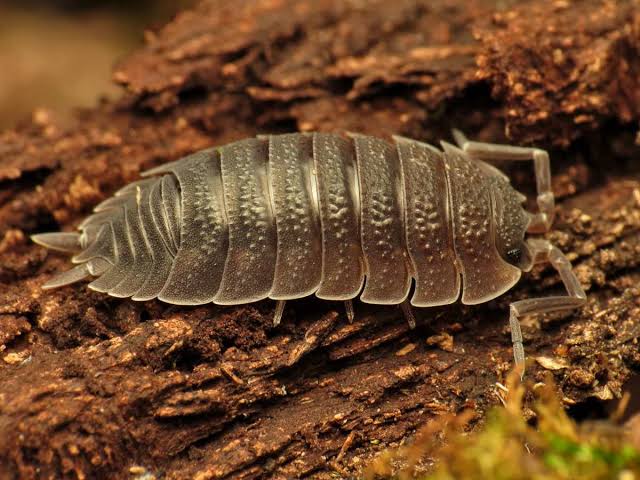
Woodlice would rather live in moist conditions where they can be safe from dry air. Their everyday activity is determined by moisture levels and the cover that is available. People looking into springtails uk will better grasp how little soil animals react to shifting surroundings. Usually, they congregate under natural covers where the humidity is constant. Good conditions encourage their activity and assist in decomposing dead plant material. Their behaviours can provide insightful information about their needs and the surroundings they need.
Moisture helps everyday activity.
Woodlice have to be kept wet so their bodies don’t dry out. Damp environments let them move freely and lessen their exposure to dry air.
Shelter offers natural protection.
These creatures are kept from direct sunlight by dark hiding spots. To keep proper body moisture, they sometimes stay under covers during more active times.
Darkness Promotes Safe Travelling
Woodlice usually like dark environments, as strong light might cause more moisture loss. The surroundings provide proper cover; therefore, they grow more active.
Airflow Influencing Habitats
Air movement affects the drying rate of damp surfaces. Proper surroundings are maintained by balanced airflow without too much moisture accumulation.
Conditions of the Soil Affect Activity
Loose soil and organic material offer cover and appropriate humidity. Ground that is very dry can motivate woodlice to seek better shelter.
Seasonal Cycles Influence Behavior
Variations in temperature and precipitation influence their mobility. Wet conditions usually promote activity, whereas dry times drive their need for cover.
Learning by deliberately observing
Observing movement and shelter preferences helps clarify their demands. PostPods help to promote close observation of tiny invertebrates and their surroundings, therefore supporting learning.
• Document changes in activity.
• Observe desired hiding locations.
• Pay attention of moisture-related activity.
• Distinguish between exposed and covered locations.
• Utilize notes to help with care improvement.
Useful Habitat Management
Good habitat management calls for ongoing humidity and appropriate shelter.Understanding what do springtails eat helps explain their role in breaking down decaying plant matter and supporting healthy soil ecosystems.Regularly check conditions, get rid of inappropriate material, and make small changes to help these little species live in a clean environment.
FAQs
Which environments do woodlice like?
They like damp, shaded spots with organic material and safe hiding places that protect them from direct sunlight and lower moisture loss.
Do woodlice always require moisture?
Though standing water and overly wet conditions can damage their environment, they need damp surroundings to help reduce drying.
Is indoor woodlice survival possible?
Though prolonged dryness can make them leave, they might survive inside where shelter and wet conditions are present.