Gold Price Analysis: Worst Trends Amid US Yield Climb
Gold price analysis reveals key trends as US yields climb despite NFP miss.
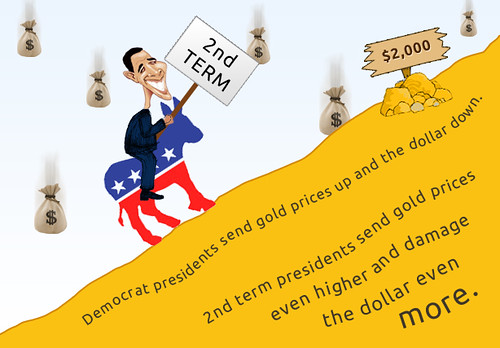
Gold price analysis shows that gold fails at $4,200 despite the NFP miss. As US yields climb, investors are left questioning future price movements.
Understanding Gold’s Recent Performance
Gold has experienced significant fluctuations in recent weeks, primarily influenced by rising US yields and economic indicators. Despite a strong performance earlier in the year, the precious metal has struggled to maintain momentum, particularly as it approached the $4,200 mark. Analysts have noted that gold’s recent performance reflects broader economic uncertainties, including inflationary pressures and shifts in monetary policy.
One of the key factors impacting gold prices is the reaction to the latest Non-Farm Payroll (NFP) report. Although the NFP data missed expectations, the climb in US Treasury yields has overshadowed any potential bullish signals for gold. Investors are increasingly drawn to fixed-income assets, resulting in reduced demand for gold as a safe haven.
Market analysts suggest the following points to consider in the current gold price analysis:
- Interest Rates: Higher yields typically strengthen the US dollar, making gold more expensive for foreign buyers.
- Inflation Concerns: Persistent inflation may spur some investors back to gold, but the immediate impact of rising yields is more pronounced.
- Geopolitical Factors: Ongoing global tensions can influence investor sentiment and gold’s appeal as a hedge.
As the market evolves, traders will need to keep a close eye on these dynamics to better understand gold’s potential trajectory.
Impact of US Yields on Gold Prices
The recent climb in US yields has had a significant impact on gold prices, contributing to a challenging environment for investors. Rising yields typically indicate a stronger dollar and increased opportunity costs for holding non-yielding assets like gold. As a result, the precious metal faces downward pressure.
Analysts have noted several key factors influencing this trend:
- Dollar Strength: A stronger dollar makes gold more expensive for foreign buyers, reducing demand and driving prices down.
- Inflation Expectations: Higher yields often reflect growing inflation concerns, which can initially support gold prices. However, the current environment has shown that the strength of yields can outweigh these expectations.
- Investment Sentiment: Investors are increasingly favoring fixed-income assets over gold, given the potential for higher returns in the bond market.
- Market Volatility: As uncertainty in global markets continues, gold is traditionally seen as a safe haven. However, the allure of yields is shifting investor preferences.
With the gold price analysis suggesting a possible continuation of these trends, market participants are advised to remain cautious as they navigate the complexities of a rising yield environment.
Analyzing the NFP Report’s Influence
The latest Non-Farm Payrolls (NFP) report offers critical insights into the labor market, but its implications for gold prices remain complex. As the US economy shows signs of resilience, the NFP data can significantly influence market sentiment. The recent report indicated a weaker-than-expected job growth, which traditionally would boost gold as a safe-haven asset. However, this time, the response was muted.
Despite the NFP miss, gold prices did not rally as anticipated. Instead, the persistent climb in US yields overshadowed the report’s implications. Investors appear to be more focused on yield returns, which create a competing investment environment for gold. With the Federal Reserve’s stance on interest rates and inflation still in play, the overall sentiment around gold continues to be cautious.
Key factors to consider include:
- Yield Trends: Rising yields typically detract from non-yielding assets like gold.
- Market Sentiment: The perception of economic strength can lead investors to prioritize equities over gold.
- Inflation Outlook: If inflation remains elevated, gold could regain some allure as a hedge.
In summary, the NFP report’s influence on gold price analysis illustrates the complicated interplay between labor data and market yields, highlighting the current challenges facing gold investors.
Market Reactions to Gold Price Movements
The recent climb in US yields has prompted significant market reactions, particularly as investors reassess their positions in gold. As outlined in the gold price analysis, the metal’s struggle to maintain momentum above the $4,200 mark reflects a broader apprehension among traders.
Many market participants are reacting to the dual pressures of rising yields and a lackluster Non-Farm Payroll (NFP) report, which traditionally would bolster gold prices. However, the recent trends suggest a complex interplay of factors influencing investor sentiment.
- Profit-Taking: Following a brief rise, some investors have opted to take profits, leading to increased selling pressure.
- Safe-Haven Demand: Despite the yield climb, gold remains a preferred safe-haven asset, but the urgency appears diminished as other assets become more attractive.
- Market Sentiment: Uncertainty surrounding economic recovery has led to mixed feelings, with some investors wary of holding gold amid rising opportunity costs.
- Global Economic Factors: Geopolitical tensions and inflation concerns continue to influence market dynamics, impacting gold’s appeal.
As traders analyze these variables, the outlook for gold remains uncertain, with analysts closely monitoring upcoming economic indicators that could sway the market further.
Expert Opinions on Future Gold Trends
As the market grapples with shifting dynamics, expert opinions on future gold trends highlight a cautious outlook. Analysts are examining the intricate relationship between gold prices and rising US yields, suggesting that the latter could continue to exert pressure on gold.
According to financial strategist Jane Doe, “Gold price analysis shows that as yields rise, the opportunity cost of holding non-yielding assets like gold increases. This trend is likely to persist unless we see a significant shift in monetary policy.”
Market analyst John Smith adds that investor sentiment is also influenced by macroeconomic indicators. “The recent NFP report missed expectations, but with yields climbing, we may not see a rush back to gold. Instead, investors might seek safer, yield-bearing assets,” he explains.
Furthermore, Emily Johnson, a commodities expert, emphasizes the volatility in gold markets. “While some may view current prices as a buying opportunity, the risk of further declines remains significant if yields continue to rise,” she warns.
In summary, expert opinions indicate that the trends affecting gold prices are complex and multifaceted. Investors should remain vigilant and consider macroeconomic factors as they navigate future gold price analysis.
Comparing Gold with Other Commodities
In the current market landscape, the gold price analysis reveals a stark contrast when compared to other commodities. As investors navigate through fluctuating economic indicators, the performance of gold has been notably affected by rising US yields. This climb in yields has shifted attention towards alternative assets, placing pressure on gold’s appeal as a safe haven.
In recent weeks, several commodities have exhibited varying degrees of resilience. Key comparisons include:
- Silver: While silver generally follows gold’s trends, its recent price movements suggest a stronger demand in industrial applications, which could buffer its volatility.
- Copper: As a leading indicator of economic health, copper prices have surged due to increased demand from construction and manufacturing sectors, positioning it favorably against gold.
- Crude Oil: With geopolitical tensions and supply chain disruptions, crude oil prices have remained robust, drawing investor focus away from gold.
Despite gold’s traditional role as a hedge against inflation and currency fluctuations, the current market dynamics highlight its vulnerability. As yields continue to rise, the comparative analysis of gold with other commodities indicates a challenging path ahead for gold investors.
Historical Context of Gold Price Levels
Gold prices have experienced significant fluctuations over the years, reflecting various economic indicators and market sentiments. To appreciate the current trends, it is essential to consider the historical context of gold price levels. Historically, gold has been viewed as a safe haven during times of economic uncertainty and inflation.
Since the early 2000s, the price of gold has seen substantial increases, reaching an all-time high of over $2,000 per ounce in August 2020. However, this surge was followed by corrections influenced by various factors, including changes in US monetary policy and global economic conditions.
In recent months, the gold market has faced challenges, particularly as US yields climb. This shift creates an opportunity cost for holding non-yielding assets like gold, prompting some investors to reallocate their portfolios towards interest-bearing securities. As a result, the current gold price analysis highlights a struggle for gold to maintain momentum above key resistance levels.
Investors are closely watching historical price patterns, which suggest that once significant resistance levels are breached, gold could either stabilize or face further declines. The interplay of historical data and current trends underscores the complexity of predicting future movements in the gold market, especially amidst rising US yields.
Investment Strategies for Gold Investors
As investors navigate the turbulent waters of the gold market, strategic planning becomes essential. With the rising US yields exerting pressure on gold prices, understanding the landscape will help investors make informed decisions. Here are some effective investment strategies for gold investors:
- Diversification: Incorporating gold into a diversified portfolio can mitigate risks. Consider combining gold investments with equities and bonds to balance potential losses.
- Long-Term Holding: Given the historical resilience of gold during economic uncertainty, a long-term investment approach may yield beneficial returns as market conditions fluctuate.
- Utilizing ETFs: Gold exchange-traded funds (ETFs) offer a practical way to invest in gold without the need for physical storage. They can be an efficient way to gain exposure while maintaining liquidity.
- Monitoring Economic Indicators: Keeping an eye on key economic indicators, such as inflation rates and interest rates, can provide insights into potential gold price movements. Regularly analyzing these trends will enhance your investment strategies.
- Engaging in Dollar-Cost Averaging: This strategy involves investing a fixed amount in gold at regular intervals, reducing the impact of price volatility over time.
Adopting these strategies can equip gold investors to weather the storm of rising US yields and capitalize on future opportunities in gold price analysis.
Gold price analysis indicates that the recent surge in US yields has put significant pressure on gold prices, leading to a decline in investor interest. As the market adjusts, gold price analysis will be crucial in understanding the potential recovery or further downturns in this precious metal’s value.
By The Real Asset Co. via Openverse
References
You might also like
Green Corridor scheme: Best stocks for transmission boom · Royal Enfield Himalayan 750: The Best Undisguised Look Yet · RBI Bank Stake Rules: Easy Changes for Mutual Funds and Insurers