US Treasury bond yields: The Worst Impact on Markets
US Treasury bond yields have surged to 2002 levels, affecting markets and India significantly. Find out why this matters.
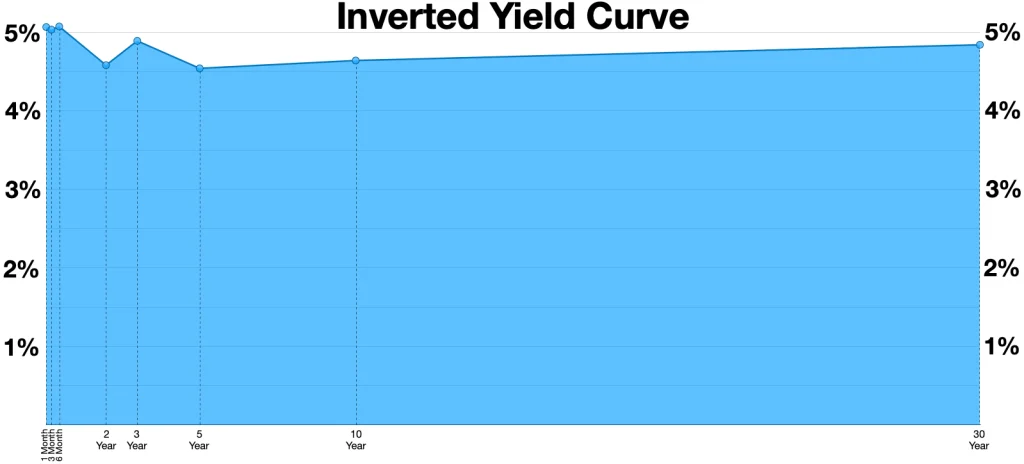
US Treasury bond yields have surged to levels not seen since 2002, impacting markets like Sensex and Nifty. Understanding this trend is crucial for investors in India.
Understanding US Treasury Bond Yields
The recent surge in US Treasury bond yields has raised significant concerns among investors and market analysts alike. Understanding these yields is crucial, especially as they impact global financial markets, including India. US Treasury bond yields represent the return on investment for investors who purchase government debt. When these yields rise, it indicates a decline in bond prices, which can ripple through various asset classes.
Specifically, the 30-year US Treasury bond yields have surged to levels not seen since 2002. This dramatic increase is attributed to several factors:
- Inflationary Pressures: Persistent inflation in the United States has led to expectations of higher interest rates, prompting investors to demand higher yields.
- Monetary Policy Adjustments: The Federal Reserve’s shifts in policy, including tightening measures, have impacted bond yields directly.
- Market Sentiment: Investor sentiment plays a critical role; fear of economic slowdown can lead to volatility in bond markets.
For countries like India, elevated US Treasury bond yields can lead to increased borrowing costs and affect capital flows. Investors may shift their portfolios in response to changes in yields, impacting stock indices such as the Sensex and Nifty. Understanding the nuances of US Treasury bond yields is essential for navigating the current market landscape.
Impact on Sensex and Nifty
The recent surge in US Treasury bond yields has had a pronounced impact on Indian equity markets, particularly on the Sensex and Nifty indices. As the yields on 30-year US Treasury bonds reached levels not seen since 2002, investors are increasingly concerned about the implications for emerging markets like India.
Higher US Treasury bond yields typically lead to:
- Increased borrowing costs: Companies in India may face higher interest rates on loans, leading to reduced capital expenditure and slower economic growth.
- Capital outflows: Investors seeking better returns might withdraw funds from Indian markets, leading to a decline in stock prices.
- Exchange rate fluctuations: The Indian Rupee may weaken against the US Dollar, which could raise import costs and fuel inflation.
Market analysts suggest that the correlation between US Treasury bond yields and Indian equities is becoming increasingly apparent. As yields rise, market volatility is likely to escalate, posing challenges for investors who are already navigating a complex economic landscape.
In summary, the impact of US Treasury bond yields on the Sensex and Nifty highlights the interconnectedness of global and domestic financial markets, making it essential for investors to stay informed about these developments.
Why Rising Yields Matter for India
The rise in US Treasury bond yields has significant implications for the Indian economy. As these yields increase, they can lead to a tightening of global liquidity, which affects emerging markets like India. Here’s why rising yields matter for India:
- Capital Outflows: Higher US Treasury bond yields often attract foreign investors looking for safer and more lucrative returns. This can result in capital outflows from Indian markets, leading to a depreciation of the rupee.
- Increased Borrowing Costs: As US Treasury bond yields rise, the cost of borrowing for Indian corporations may also increase. This can affect business expansion plans and overall economic growth.
- Inflation Pressures: Rising yields can signal rising inflation expectations in the US, which may have a ripple effect on global commodity prices, including oil. India, being a major importer of crude oil, could face increased inflationary pressures.
- Market Volatility: A surge in US Treasury bond yields can lead to increased volatility in Indian stock markets, making investors cautious and potentially leading to a sell-off in equities.
Overall, the dynamics of US Treasury bond yields play a critical role in shaping the economic landscape for India, influencing everything from exchange rates to investment flows.
Market Reactions to Economic Changes
The recent surge in US Treasury bond yields has triggered significant market reactions across various sectors. As the 30-year yields reached levels not seen since 2002, investors are closely monitoring the implications for global markets.
One of the most immediate effects has been observed in equities. Many analysts believe that rising US Treasury bond yields indicate a shift in monetary policy, leading to higher borrowing costs. This has prompted investors to reassess their portfolios, often pulling back on equity investments in favor of safer, income-generating bonds. The broader market sentiment has turned cautious, with volatility increasing as traders navigate this uncertainty.
Additionally, sectors such as real estate and utilities, which typically rely on low-interest rates for their growth, have experienced heightened pressure. The increase in US Treasury bond yields can hamper their profitability, leading to a decline in stock prices within these sectors.
- Investor Sentiment: Many investors are reassessing risk exposure.
- Sector Impact: Real estate and utilities face challenges.
- Global Implications: Rising yields can cause global market fluctuations.
The ripple effects of the rise in US Treasury bond yields are complex, influencing not only the US economy but also having far-reaching consequences for markets worldwide, including emerging economies like India.
By Wikideas1 via Openverse
Where this came from
You might also like
UPI Thriving: The Proven Benefits for India’s Economy · Bitcoin price news: Worst drop as BTC hits $83,000 · Orient Cables IPO: Proven Demand Surges Over 11x Subscription