How Audrey Saylor Uses Industry Experience to Understand Emerging Engineering Opportunities
Connecting experience. Explore how Audrey Saylor connects experience with emerging engineering opportunities.
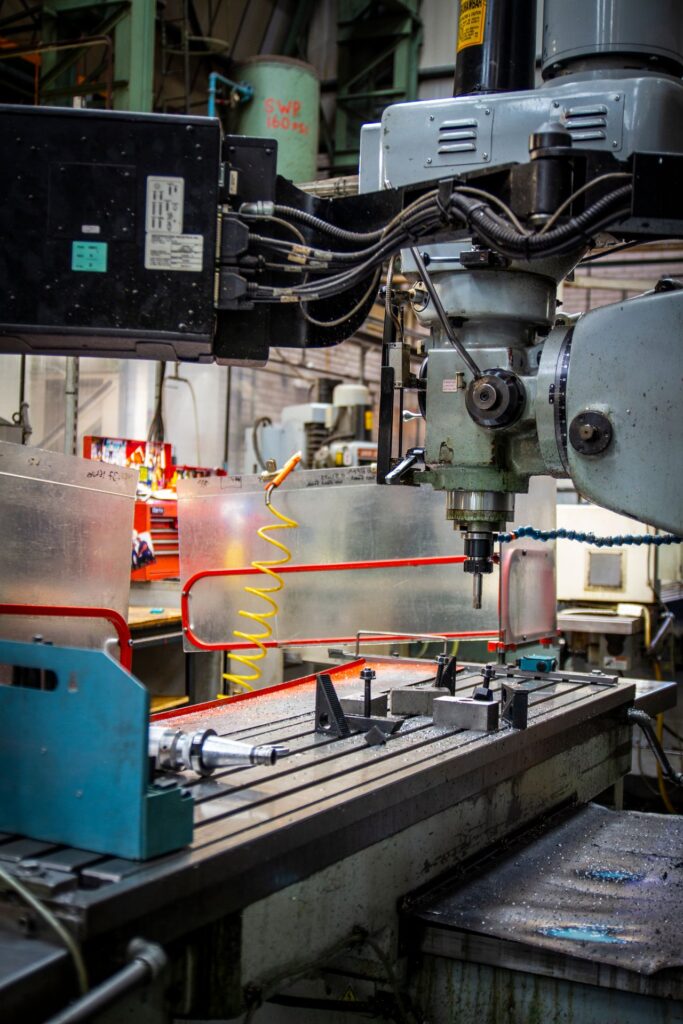
Modern engineering is increasingly shaped by the ability to recognize opportunities before they become established industry practices. With experience spanning education, engineering, and manufacturing, Audrey Saylor brings a practical perspective to understanding how new ideas can translate into useful industrial solutions. Her professional approach reflects the value of combining technical knowledge with hands-on manufacturing awareness, allowing emerging opportunities to be viewed not simply as technological developments, but as possibilities for improving design, production, efficiency, and long-term product performance.
Contents
- Connecting Experience With Emerging Engineering Trends
- Recognizing Opportunities Through Practical Manufacturing Knowledge
- The Role of Cross-Disciplinary Experience
- Using Innovation to Strengthen Product Development
- Learning From Manufacturing Data and Results
- Preparing for the Future of Engineering
- Conclusion
Connecting Experience With Emerging Engineering Trends
Industry experience provides an important foundation for evaluating changes in engineering. Manufacturing environments generate practical insights that cannot always be gained through theoretical study alone. Exposure to production requirements, material behavior, fabrication processes, and product development gives professionals a clearer understanding of how engineering concepts perform in real-world conditions.
This experience can help identify which emerging technologies and design approaches have meaningful potential. Instead of following every new trend, experienced professionals can examine how a development addresses an existing requirement or creates a measurable improvement.
Recognizing Opportunities Through Practical Manufacturing Knowledge
Engineering opportunities often emerge from everyday production challenges. A need for greater precision may encourage improvements in design methods, while changing product requirements can create opportunities for better materials or fabrication techniques. Manufacturing experience helps connect these practical needs with potential engineering solutions.
This perspective also encourages a stronger focus on usability. An innovative concept becomes more valuable when it can be integrated into an effective production process and provide benefits throughout the product lifecycle.
The Role of Cross-Disciplinary Experience
A professional background that includes different areas of expertise can provide a broader view of industrial development. Education, engineering, and manufacturing each contribute distinct forms of knowledge. Education can strengthen communication and analytical thinking, while engineering provides technical problem-solving skills and manufacturing adds practical production insight.
The professional context associated with Audrey Saylor South Dakota illustrates how a combination of experience and technical understanding can contribute to a wider perspective on engineering opportunities. Cross-disciplinary knowledge can help professionals communicate ideas effectively and recognize connections between areas that are often considered separately.
Using Innovation to Strengthen Product Development
Emerging engineering opportunities can influence product development by introducing better approaches to design, fabrication, and testing. Innovation does not necessarily require a completely new concept. Refining an existing process, improving a component, selecting a more suitable material, or simplifying production can produce valuable results.
A practical innovation strategy focuses on improvements that support measurable objectives. This may include better consistency, improved durability, more efficient production, or stronger product functionality. Such improvements can gradually strengthen an organization’s overall manufacturing capabilities.
Learning From Manufacturing Data and Results
Experience becomes even more valuable when supported by measurable information. Production measurements, testing results, quality observations, and process performance can help engineers evaluate whether an emerging approach is delivering meaningful benefits.
Data allows professionals to compare expected outcomes with actual results. Over time, this creates a knowledge base that can guide future engineering decisions. Combining experience with evidence encourages a balanced approach to innovation and supports more confident development strategies.
Preparing for the Future of Engineering
The engineering landscape will continue to evolve as manufacturing technologies, materials, design methods, and customer expectations develop. Professionals who remain open to learning can identify new possibilities while preserving the practical principles that support reliable production.
Industry experience provides a valuable reference point for this process. It helps professionals understand where innovation can create genuine value and how new ideas can be adapted to real manufacturing environments.
Conclusion
Emerging engineering opportunities become more meaningful when they are evaluated through practical knowledge, technical understanding, and measurable results. Audrey Saylor represents a perspective that connects extensive manufacturing experience with an interest in innovation, design, and future-focused engineering. By combining industry insight with continuous learning and thoughtful evaluation, engineering professionals can recognize opportunities that strengthen product development and contribute to lasting manufacturing progress.
At a Glance
- Audrey Saylor’s professional approach emphasizes the blend of technical knowledge and hands-on manufacturing awareness to improve engineering solutions.
- Industry experience provides essential insights that theoretical study often cannot offer, particularly related to real-world engineering performance.
- Emerging engineering opportunities frequently arise from everyday production challenges that highlight the need for improved design and material approaches.
- Cross-disciplinary experience enriches industrial development by fostering effective communication and recognizing connections between diverse knowledge areas.
- Practical innovation can lead to meaningful advancements in product development without necessitating entirely new concepts, focusing instead on refining existing processes.
- Measurable production data supports engineers in evaluating the effectiveness of emerging approaches and guides future engineering decisions.